Maximizing Yield with Bifacial Solar Panels in Desert Environments
Deploying utility-scale solar in arid regions presents unique challenges and immense opportunities. Bifacial photovoltaic (PV) modules, which capture sunlight on both their front and rear sides, are proving to be a game-changer for desert solar farms. The key to unlocking their full potential lies in optimizing the albedo—the measure of surface reflectivity.
Traditional monofacial panels in desert settings often suffer from efficiency losses due to high operating temperatures and soiling. Bifacial panels, however, can generate up to 25% more energy by utilizing the reflected light from the ground. In our recent project at the Cooper Basin site, we engineered a high-albedo surface using locally sourced, light-colored gravel. This simple yet effective ground cover increased the rear-side irradiance by over 40%, significantly boosting the overall system yield.
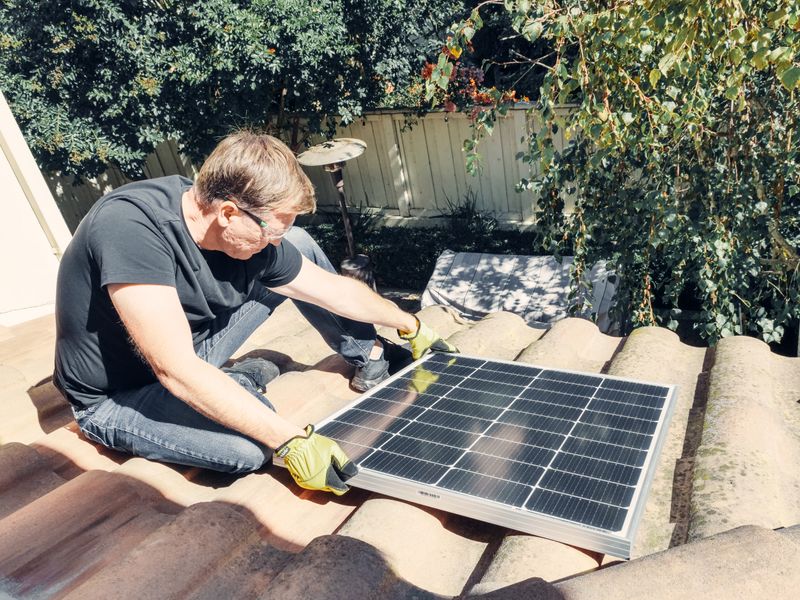
Bifacial panels at a test site, demonstrating dual-sided energy capture.
Beyond material selection, the mounting structure's height and row spacing are critical. We utilize single-axis trackers elevated to 1.5 meters, which not only improves rear-side access to reflected light but also enhances natural cooling through increased airflow. This design reduces thermal stress, extending module lifespan. Furthermore, the strategic spacing minimizes inter-row shading during low sun angles, a common issue in early mornings and late afternoons.
The financial implications are substantial. While the initial CAPEX for bifacial modules and specialized racking is approximately 8-12% higher, the Levelized Cost of Energy (LCOE) decreases by nearly 18% over the project's lifetime due to the enhanced energy harvest. For developers in the NEM, this translates to a more resilient revenue stream, better hedging against market volatility and negative pricing events.
Our ongoing research focuses on predictive soiling models and automated cleaning cycles tailored for bifacial surfaces, ensuring that the performance gains are maintained throughout the asset's operational life.